Introduction
In modern renewable energy systems, PV(photovoltaic) inverters play a central role in converting the direct current (DC) generated by solar panels into grid-compatible alternating current (AC). While electrical design often receives the most attention, long-term inverter reliability is just as dependent on effective thermal management. Among all cooling components, the PV inverters heatsink is the most fundamental—and often the most underestimated.
In real-world operation, PV inverters are exposed to continuous load changes, high ambient temperatures, dust, humidity, and long operating hours. Without an efficiently designed heatsink, internal temperatures rise quickly, accelerating component aging and increasing the likelihood of system failure. This article explores why high-performance PV inverter heatsinks are essential, how materials and structural design affect performance, and how proper PV inverters heatsink selection can directly improve system reliability and return on investment.
Why Heat Management Is Vital in PV Inverters
Every PV inverter generates heat during operation. The primary sources include:
Power conversion losses during DC-to-AC transformation
High-frequency switching of IGBTs or MOSFETs
Internal resistance of electronic components
External exposure to high ambient temperatures and direct sunlight
As inverter power density increases, thermal stress becomes a limiting factor. Excessive heat can lead to:
Reduced conversion efficiency due to derating
Premature failure of power semiconductors
Degradation of capacitors and solder joints
Increased downtime and maintenance costs
Industry data shows that for every 10°C rise above the recommended operating temperature, the lifespan of key electronic components can be reduced by nearly 50%. Effective PV inverters heatsink design is therefore not optional—it is a core requirement for stable inverter performance.
Common Materials Used in PV Inverter Heatsinks
Aluminum Extrusions
Aluminum remains the most widely used material for PV inverter heatsinks due to its balance of performance and cost:
High thermal conductivity suitable for most inverter power levels
Lightweight structure that reduces overall system weight
Excellent corrosion resistance, especially when anodized
Ideal for outdoor and rooftop solar installations
Extruded aluminum profiles also allow flexible fin geometries, making them suitable for both natural and forced convection cooling designs.
Copper Baseplates and Hybrid Designs
Copper offers superior thermal conductivity compared to aluminum and is often used in localized hotspot areas:
Efficient heat spreading for high-power semiconductor devices
Frequently combined with aluminum fins to optimize cost and weight
Improves temperature uniformity across the heatsink surface
Hybrid copper-aluminum PV inverters heatsinks are commonly used in high-power string inverters and central inverters where thermal margins are tight.
Surface Treatments and Coatings
Surface treatment plays a significant role in long-term performance:
Anodizing improves corrosion resistance and durability
Black anodized surfaces enhance radiative heat dissipation
Specialized coatings protect against salt spray, dust, and humidity
For solar installations in coastal or desert environments, proper surface treatment can significantly extend service life.
Structural Design Factors That Affect Cooling Performance
The effectiveness of a heatsink depends not only on material selection but also on structural design:
Fin Geometry and Spacing
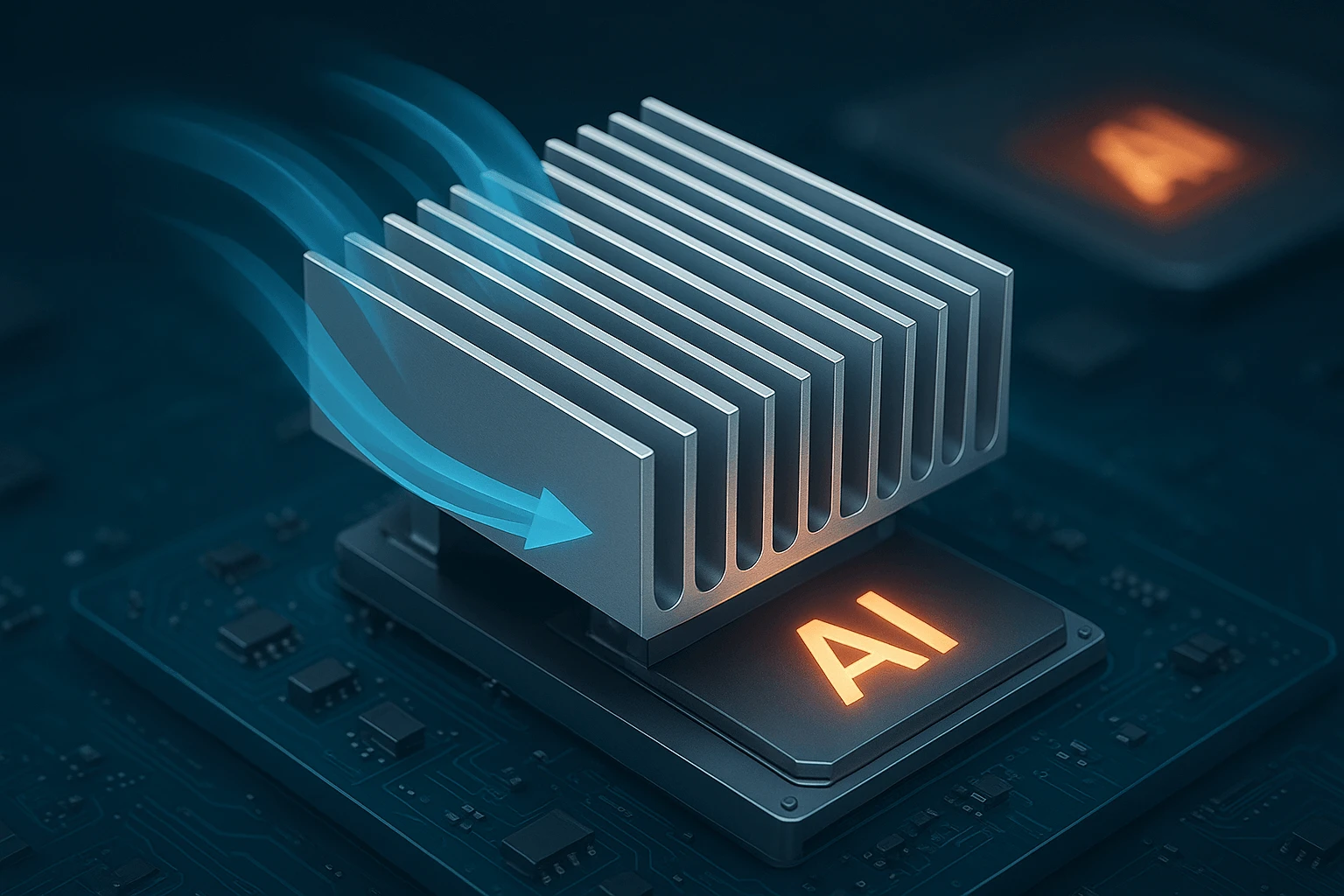
Increased surface area improves heat transfer
Optimized fin spacing enhances airflow under natural convection
Proper fin thickness balances thermal performance and mechanical strength
Modular and Scalable Designs
Modular heatsinks allow manufacturers to adapt designs across multiple inverter models
Simplifies maintenance and replacement
Reduces tooling and development costs
Integrated Cooling Features
Embedded heat pipes or cooling channels improve heat transport
Suitable for compact, high-density inverter designs
Supports stable operation under peak loads
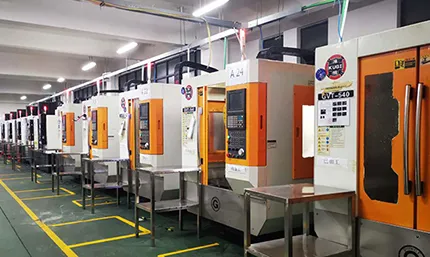
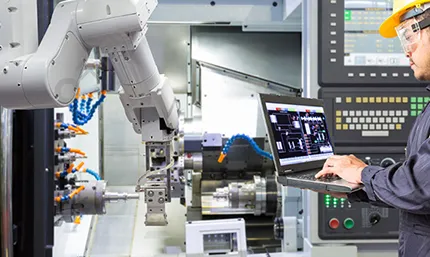
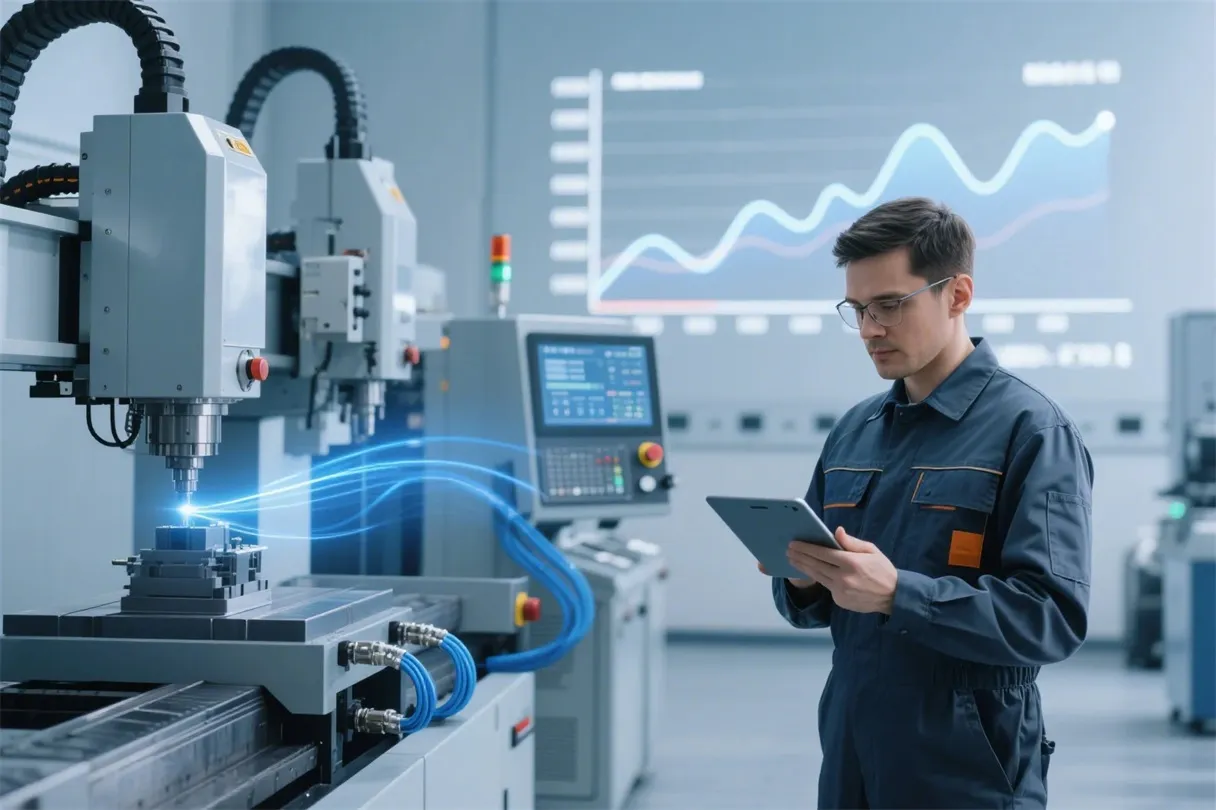
Customized CNC-machined PV inverters heatsinks enable precise control over these design variables, ensuring consistent performance across different operating conditions.
Cooling Technology Comparison for PV Inverters
Natural Convection PV Inverters Heatsinks
Passive cooling with no moving parts
Zero maintenance and high reliability
Ideal for small to medium power inverters
Forced Air Cooling
Fans increase airflow and cooling capacity
Allows smaller heatsink size
Requires regular maintenance and introduces noise
Liquid Cooling Systems
Highest cooling efficiency for extreme power densities
Used in utility-scale or containerized solar systems
Higher system complexity and cost
Selecting the right cooling approach depends on inverter power level, installation environment, and long-term maintenance strategy.
Real-World Impact on Solar System Performance
A well-designed inverter heatsink delivers measurable benefits:
Stable power output without thermal derating
Extended inverter lifespan and reduced failure rates
Lower total cost of ownership over the system lifecycle
In high-temperature regions, field data shows that optimized thermal management can result in a 20–30% improvement in long-term operational performance compared to poorly designed cooling solutions.
Future Trends in PV Inverter Heatsink Technology
Lightweight composite materials to reduce shipping and installation costs
Smart thermal monitoring integrated with IoT systems for predictive maintenance
Hybrid cooling solutions combining air and liquid technologies
Increased demand for customized heatsinks as inverter designs become more compact
As solar installations scale globally, thermal management will continue to be a key differentiator in inverter reliability.
Conclusion: The Value of Custom CNC-Machined Heatsinks
Efficient thermal management is the foundation of reliable photovoltaic inverter operation. Material selection, surface treatment, and structural design all directly influence performance, durability, and long-term profitability.
At Formal, we specialize in custom CNC machining services for PV inverter heatsinks. From aluminum extrusions to hybrid copper-aluminum solutions and specialized surface treatments, we manufacture precision heatsinks based on your technical drawings and performance requirements. Share your drawings with us, and our engineering team will provide a tailored quotation and professional support for your solar energy project.