
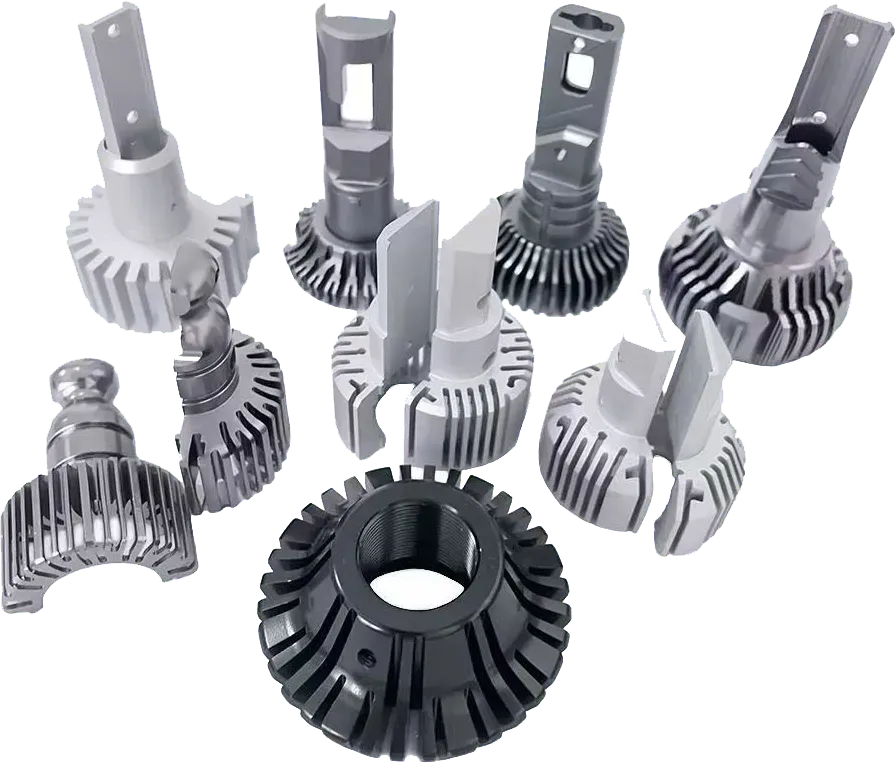
| Image | Finishing | Description | Application |
|---|---|---|---|
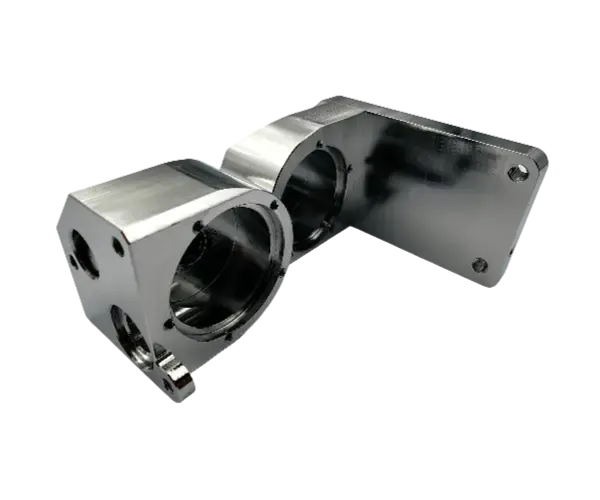 | As-Machined | Description:
This is the default surface finish directly from the CNC machine without any additional processing. It exhibits visible tool marks, and the roughness is usually defined by the cutting tool and the machining parameters. Surface Roughness:
Typically Ra 1.6-3.2 µm. | Prototypes, functional parts where aesthetics aren’t critical. |
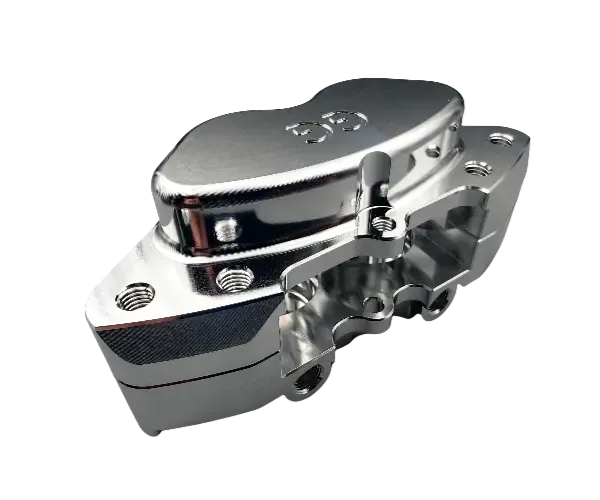 | Smooth | Description:
Smoothing involves using abrasive tools or media to gently remove the top layer of material, reducing roughness and imperfections. This process can be done manually or with automated equipment depending on the complexity of the part. Surface Roughness:
Typically Ra ≤ 0.4 µm, though it can vary depending on the material and the desired finish. | Used for parts that need a refined appearance or smoother contact surfaces, such as consumer goods, mechanical components, and medical devices. |
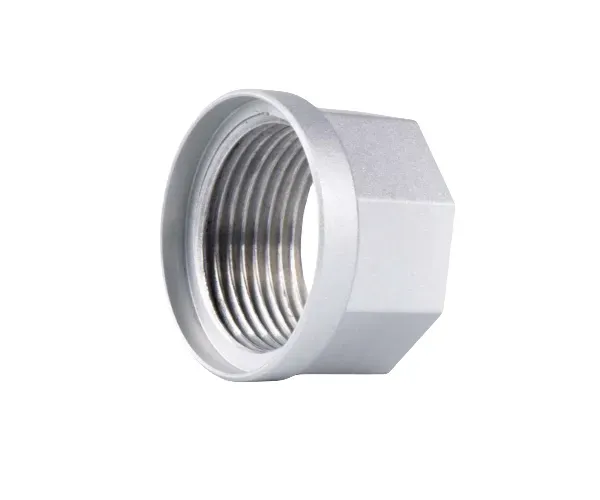 | Bead Blasting | Description:
This process involves blasting the surface with fine glass beads or other media to achieve a smooth, matte, or satin finish. It helps remove tool marks and surface imperfections. Surface Roughness:
Ra 2.8-3.8 µm (depending on the material and blast media used). | Used to achieve an even texture for aesthetic purposes, typically in consumer products or decorative parts. |
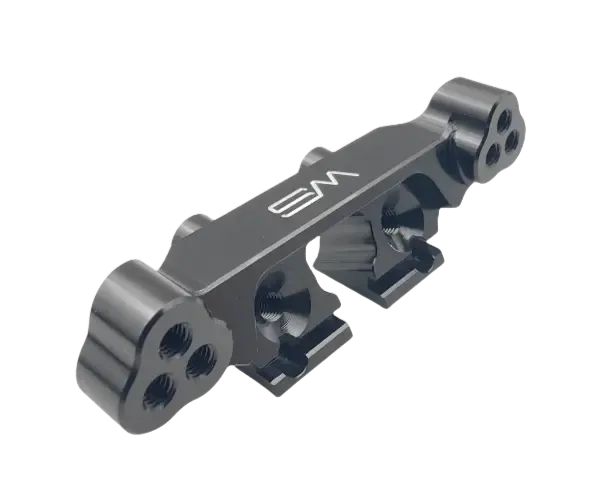 | Anodizing | Description:
An electrochemical process that increases the thickness of the natural oxide layer on the surface of aluminum parts. It can be either clear (natural) or dyed in various colors.
Benefits: Adds corrosion resistance, improves appearance, and can create an electrically insulating surface. Surface Roughness:
Anodizing typically doesn’t significantly change surface roughness. | Commonly used in aerospace, electronics, and automotive industries for aluminum parts. |
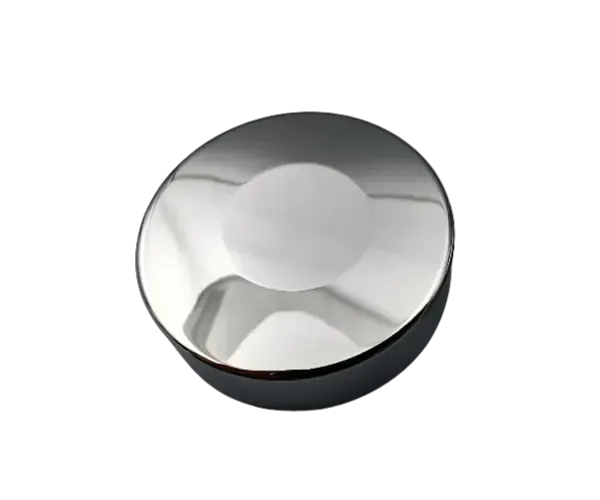 | Polishing | Description:
A finishing process that makes the surface smooth and glossy by mechanically removing surface material. Polishing can be done to different degrees, from basic smoothing to achieving a mirror-like finish.
Surface Roughness:
Can achieve extremely low surface roughness, Ra ≤ 0.1 µm. | Used for aesthetic parts, reflective surfaces, or parts requiring low friction. |
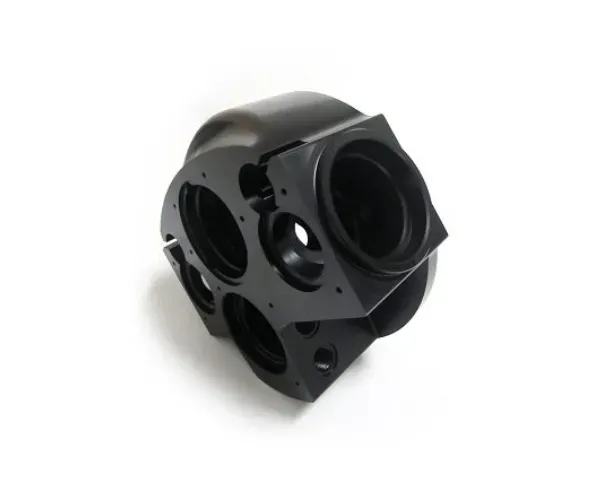 | Powder Coating | Description:
A dry finishing process where powdered paint is electrostatically applied to the surface and then cured under heat to form a durable, uniform coating. It creates a protective layer resistant to wear, corrosion, and environmental factors. Surface Roughness:
Typically smooth but varies depending on the powder type. | Used in automotive, industrial equipment, consumer products, and outdoor applications. |
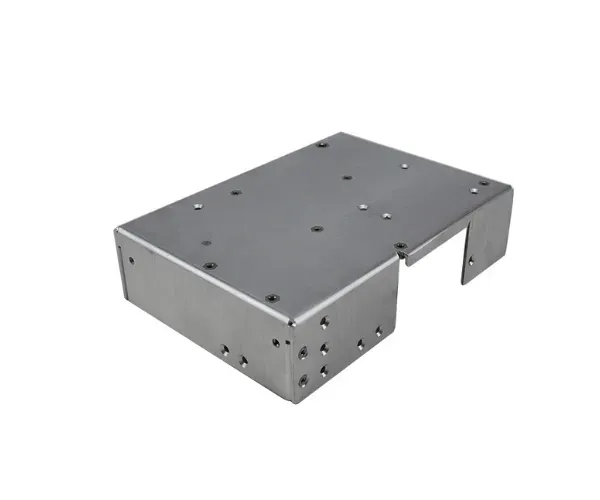 | Brushing | Description:
This finish is created by brushing the surface with abrasive belts or brushes to give it a uniform, directional texture. It provides a satin or matte look while reducing surface imperfections. Surface Roughness:
Ra 0.4-2.5 µm, depending on the type of brush and material. | Common in decorative and aesthetic applications, especially for stainless steel or aluminum products. |
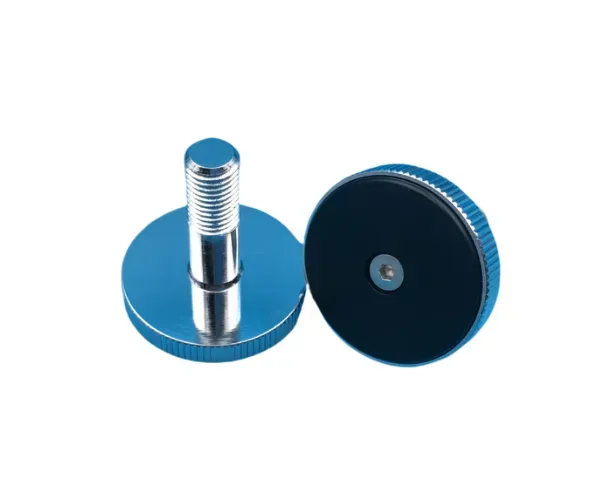 | Electroplating | Description:
This process involves blasting the surface with fine glass beads or other media to achieve a smooth, matte, or satin finish. It helps remove tool marks and surface imperfections. Surface Roughness:
Ra 2.8-3.8 µm (depending on the material and blast media used). | Used to achieve an even texture for aesthetic purposes, typically in consumer products or decorative parts. |
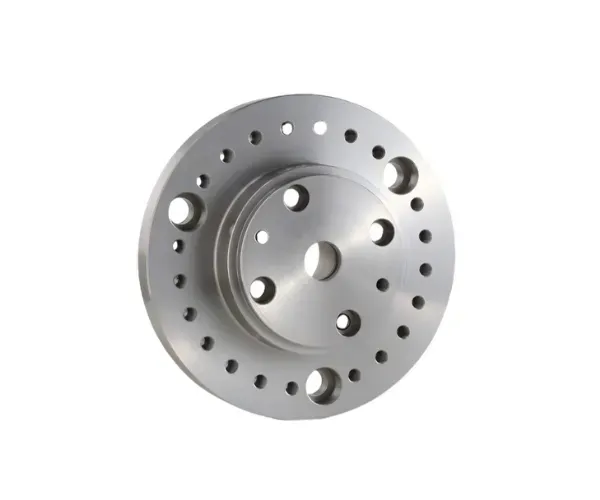 | Passivation | Description:
A chemical treatment applied to stainless steel and other metals to remove free iron from the surface, enhancing corrosion resistance by forming a passive oxide layer. Surface Roughness:
Passivation doesn’t change the surface roughness. | Commonly used in medical, food, and aerospace industries where corrosion resistance is critical. |
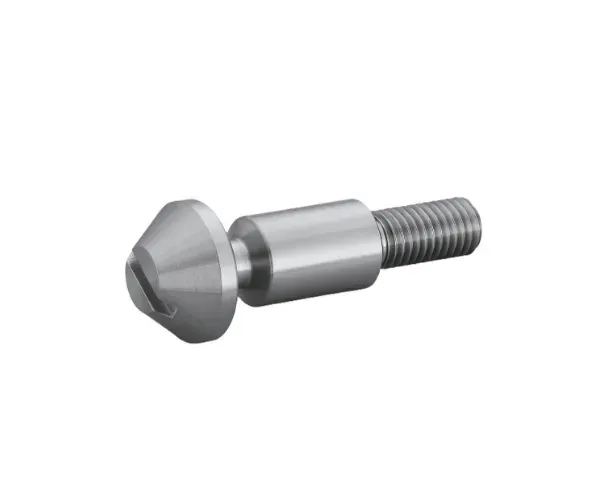 | Heat Treating | Description:
A process that involves heating and cooling metal parts to change their hardness, strength, or toughness. While not primarily a surface finish, it affects the surface properties by hardening the outer layer. | Used for parts that need wear resistance or improved mechanical properties, like gears and cutting tools. |